
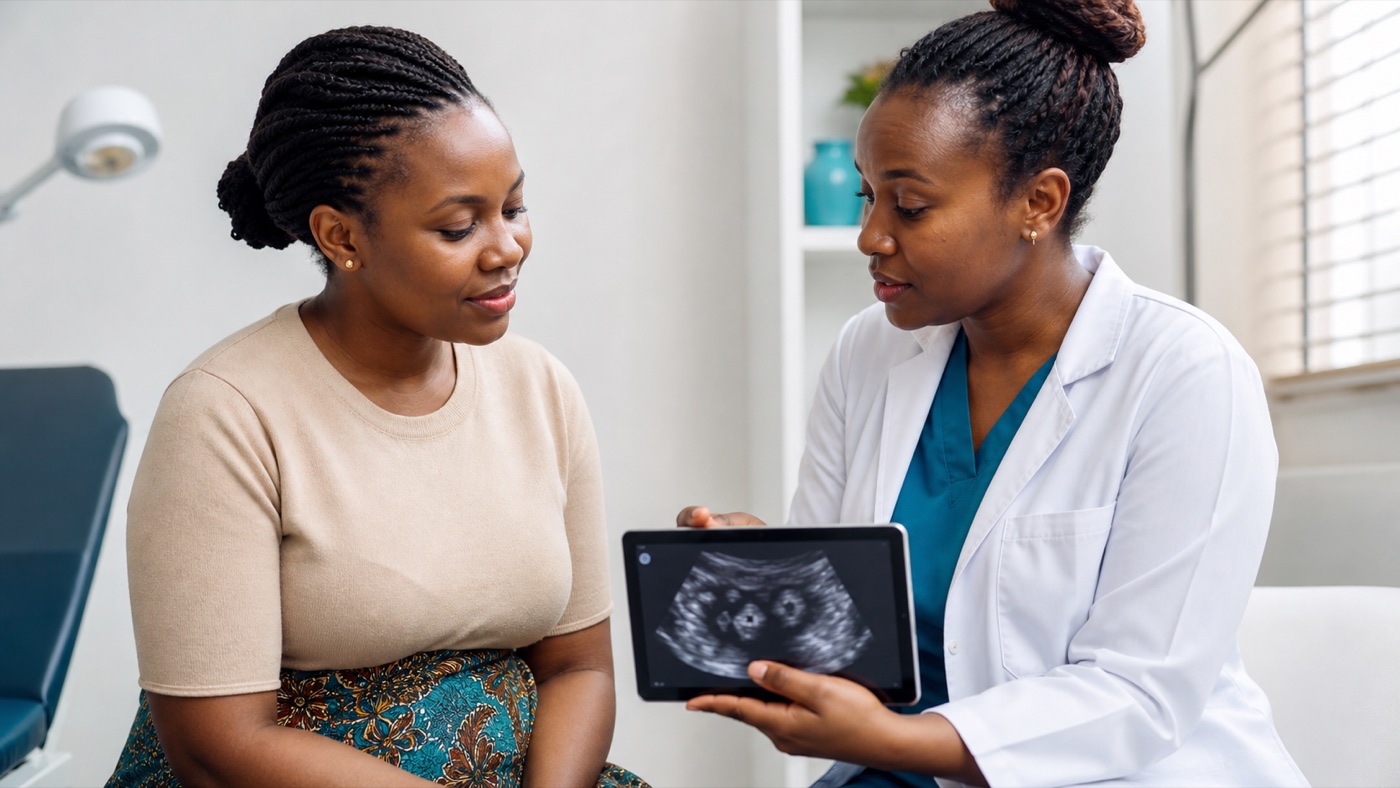
Uterine fibroids are common benign growths made from muscle and connective tissue in or around the uterus.
What to know
Fibroids may grow within the uterine wall, project into the cavity or extend outward. Their location can matter as much as their size.
Possible effects include heavy or prolonged periods, pelvic pressure, urinary frequency, constipation, pain, anaemia and fertility or pregnancy concerns. Many people have no symptoms.
Key points
Bleeding changesHeavy or prolonged periods may cause iron deficiency.
Pressure symptomsPelvic fullness, urinary frequency or constipation can occur.
Imaging helpsUltrasound is commonly used to identify fibroids.
Treatment is personalSymptoms and reproductive plans guide decisions.
Signs and symptoms
Fibroid symptoms depend on number, size and location. A large fibroid may cause few symptoms, while a smaller one inside the uterine cavity may cause heavy bleeding.
Heavy or prolonged bleeding
Periods may be heavier, last longer or involve clots, sometimes leading to iron-deficiency anaemia.
Pressure and fullness
Pelvic heaviness, abdominal enlargement, frequent urination or constipation may occur.
Pain
Some people have pelvic, lower-back or pain during sex, although severe sudden pain is less common.
Fertility and pregnancy
Many people with fibroids conceive normally, but certain locations can affect fertility or pregnancy and need individual review.
Causes and contributing factors
The exact cause is unknown. Fibroids appear to be influenced by hormones, genes, age and other biological factors.
Hormonal influenceEstrogen and progesterone can support fibroid growth; fibroids often shrink after menopause.
Family and ancestryFamily history matters, and fibroids occur more often and may be more severe among Black women.
Age and life stageThey are most common during reproductive years and vary over time.
Not cancerFibroids are benign and almost never turn into cancer; a rapidly changing mass still needs assessment.
How healthcare professionals assess it
Assessment is individual. Not every person needs every test, and results must be interpreted alongside symptoms, history and examination findings.
History and blood tests
A clinician reviews bleeding, pain, pressure, fertility goals and anaemia symptoms; a full blood count may be appropriate.
Pelvic examination
An enlarged or irregular uterus may be felt, though examination alone cannot map fibroids.
Ultrasound
Abdominal or transvaginal ultrasound commonly confirms size, number and location.
Further imaging or cavity assessment
MRI, saline ultrasound or hysteroscopy may be used when treatment planning or cavity involvement needs clarification.
Treatment and management
No treatment is needed when fibroids cause no meaningful symptoms. When treatment is needed, choices should reflect bleeding, pressure, age, fertility plans and access.
Symptom medicines
Pain relief, iron and medicines that reduce bleeding or hormonal treatments may help selected symptoms.
Uterine-sparing procedures
Myomectomy, uterine artery embolisation and selected ablation procedures have different fertility implications.
Surgery
Hysterectomy is definitive but removes the ability to carry a pregnancy; it is not the only treatment option.
Monitoring
Repeat assessment may be reasonable when symptoms are mild and there are no concerning changes.
Practical steps you can take
Track bleeding duration, clots, pain, pressure and effects on daily life.
Ask whether you need a blood count or iron testing if you feel tired, dizzy or short of breath.
Bring previous ultrasound reports so growth and location can be compared.
State future pregnancy preferences before choosing a procedure.
Seek urgent care for very heavy bleeding, fainting or sudden severe pain.
Questions to ask at an appointment
Writing questions down can make a consultation more useful, especially when symptoms are stressful or complex.
- Where are my fibroids, and which symptoms are they likely to explain?
- Do I have anaemia, and how should it be treated?
- Which options preserve the uterus and future pregnancy possibilities?
- What are the benefits, recurrence risks and recovery times for each treatment?
Common questions
Do all fibroids need removal?
No. Fibroids without significant symptoms often need only observation.
Can fibroids affect fertility?
Some can, especially when they distort the uterine cavity, but many people with fibroids conceive without treatment.
Will medicine permanently remove fibroids?
Medicines can control symptoms or temporarily shrink some fibroids, but effects vary and fibroids may regrow after treatment stops.
When to speak with a healthcare professional
Arrange an assessment if symptoms concern you, affect daily life, persist, worsen or are different from what is normal for you.
Bleeding soaks protection quickly or causes dizzinessContact a qualified healthcare professional for individual assessment.
Pelvic pressure, pain or abdominal enlargement persistsContact a qualified healthcare professional for individual assessment.
You have fertility concerns or symptoms during pregnancyContact a qualified healthcare professional for individual assessment.
This guide is educational. It does not diagnose a condition or replace care from a qualified healthcare professional.
Medical references
This guide was prepared from authoritative public-health and professional medical resources.
Have questions about this topic?
Discuss your symptoms, history and next steps privately with Dr. Benny.