
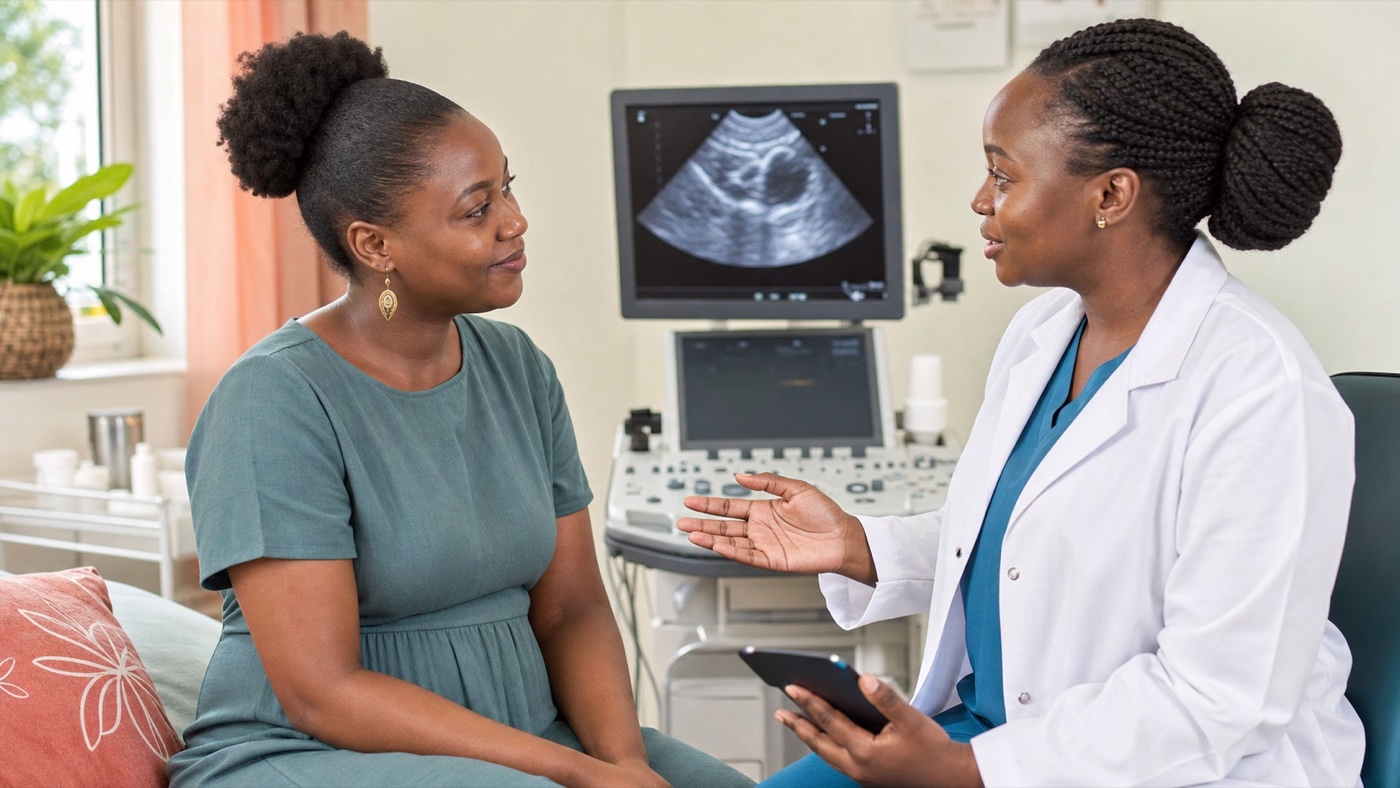
Polycystic ovary syndrome is a common hormonal condition that can affect cycles, skin, hair, fertility and metabolism.
What to know
PCOS may involve irregular or absent ovulation, signs of higher androgen levels such as acne or excess facial hair, and characteristic ovarian findings. Not everyone has every feature.
Diagnosis usually combines medical history, examination and selected tests while ruling out other possible causes.
Key points
Cycle changesPeriods may be irregular, infrequent or absent.
Skin and hair symptomsAcne or increased facial/body hair may occur.
Fertility effectsIrregular ovulation can make conception harder.
Whole-body healthBlood sugar, cholesterol and emotional wellbeing may need attention.
Signs and symptoms
PCOS affects people differently. Symptoms can change over time and may involve reproductive, skin, metabolic and emotional health.
Irregular ovulation
Periods may be infrequent, unpredictable or absent because ovulation does not happen regularly.
Androgen-related symptoms
Acne, increased facial or body hair, or scalp-hair thinning may occur.
Fertility difficulty
Irregular ovulation can make the fertile window harder to predict, but many people with PCOS become pregnant naturally or with treatment.
Metabolic and emotional effects
Insulin resistance, weight changes, sleep apnoea, anxiety, depression or body-image distress may coexist.
Causes and contributing factors
The exact cause is not fully understood. Genetic susceptibility, androgen regulation and insulin resistance can contribute.
Family tendencyPCOS is more common in some families, suggesting a genetic contribution.
Insulin resistanceHigher insulin levels can influence ovarian androgen production and metabolic risk.
Androgen excessHigher androgen activity contributes to acne, hair changes and disruption of ovulation.
Not caused by cysts aloneThe name is misleading: ovarian follicles may be seen on ultrasound, but cysts are not required and ultrasound alone does not diagnose PCOS.
How healthcare professionals assess it
Assessment is individual. Not every person needs every test, and results must be interpreted alongside symptoms, history and examination findings.
Symptom and cycle history
A clinician reviews menstrual patterns, hair and skin symptoms, weight changes, medicines and pregnancy goals.
Examination
Blood pressure, signs of androgen excess and other relevant findings may be assessed sensitively.
Laboratory tests
Selected hormone tests and screening for thyroid disease or other look-alike conditions may be used. Glucose and cholesterol assessment may be appropriate.
Ultrasound when indicated
Ovarian appearance and uterine lining may be assessed, but diagnosis usually requires a combination of features.
Treatment and management
Management targets the concerns that matter to you—cycle protection, skin or hair symptoms, fertility, metabolic health and emotional wellbeing.
Cycle management
Hormonal contraception or periodic progestogen may be considered to regulate bleeding and protect the uterine lining when pregnancy is not desired.
Skin and hair care
Medical and cosmetic treatments can address acne or unwanted hair. Some medicines are unsuitable during pregnancy.
Ovulation treatment
When pregnancy is desired, treatment may support ovulation after individual fertility assessment.
Metabolic care
Nutrition, movement, sleep and selected medicines may support glucose regulation and cardiovascular risk.
Practical steps you can take
Track periods so prolonged gaps in bleeding are not overlooked.
Choose realistic nutrition and activity changes; PCOS is not a personal failure.
Ask whether blood pressure, glucose, cholesterol, sleep or mood screening is appropriate.
Discuss pregnancy plans before starting medicines that may affect a fetus.
Seek support for anxiety, depression, stigma or disordered eating.
Questions to ask at an appointment
Writing questions down can make a consultation more useful, especially when symptoms are stressful or complex.
- Which diagnostic features of PCOS do I have, and what alternatives were ruled out?
- How often should I have a period if I am not using hormonal contraception?
- Do I need glucose, cholesterol or blood-pressure monitoring?
- How would treatment change if I want pregnancy now or later?
Common questions
Do ovarian cysts always mean PCOS?
No. Ovarian cysts have many causes, and PCOS may be diagnosed without a polycystic ultrasound appearance.
Can PCOS be cured?
There is no single cure, but symptoms and associated health risks can be managed with an individual plan.
Does PCOS always cause infertility?
No. Ovulation may be irregular, but pregnancy can occur. Some people need ovulation or fertility treatment.
When to speak with a healthcare professional
Arrange an assessment if symptoms concern you, affect daily life, persist, worsen or are different from what is normal for you.
Periods are very infrequent or have stoppedContact a qualified healthcare professional for individual assessment.
You have troublesome acne or hair growthContact a qualified healthcare professional for individual assessment.
You are trying to conceive or are concerned about metabolic healthContact a qualified healthcare professional for individual assessment.
This guide is educational. It does not diagnose a condition or replace care from a qualified healthcare professional.
Medical references
This guide was prepared from authoritative public-health and professional medical resources.
Have questions about this topic?
Discuss your symptoms, history and next steps privately with Dr. Benny.